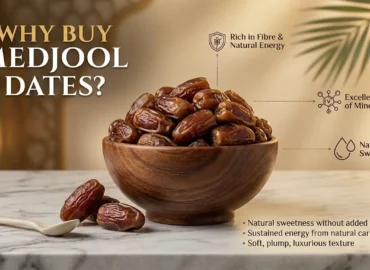
Dates (from the palm tree Phoenix dactylifera) are a nutrient-dense fruit packed with natural sugars, fiber, antioxidants, and key minerals, making them a beneficial addition to a balanced diet. Scientific studies highlight their role in supporting digestion, heart health, energy levels, blood sugar management, and more, thanks to their bioactive compounds like polyphenols, flavonoids, carotenoids, and high fiber content.
Nutritional Profile (Approximate per 100g of dried dates, such as Deglet Noor or similar varieties)
- Calories: ~277–282 kcal (mostly from natural carbs)
- Carbohydrates: ~75g (including ~63–68g sugars like glucose and fructose)
- Dietary Fiber: ~6.7–8g (a strong source, comparable to or higher than many fruits)
- Protein: ~2–2.5g
- Fat: Very low (~0.4g)
- Key Minerals: High in potassium (~700mg, ~20–23% DV), magnesium (~54mg), copper (~0.36mg, up to 40% DV), manganese, iron, plus traces of calcium and others
- Vitamins: Good amounts of B-complex (especially B6, ~17% DV), some vitamin C and A
- Antioxidants: Rich in phenolics, flavonoids, and carotenoids for cellular protection
These values can vary slightly by variety (e.g., Medjool are larger and moister, Ajwa smaller and denser in some compounds), but dates generally offer high nutrient density per calorie.
Key Health Benefits
Dates provide evidence-based advantages when eaten in moderation (e.g., 3–7 dates per day as a serving):
- Digestive Health — High in both soluble and insoluble fiber (~7g per 100g serving), dates promote regularity, relieve constipation, support gut microbiome health, and aid satiety. Fiber slows digestion, feeds beneficial bacteria, and helps prevent issues like irregularity or bloating—similar to or better than many other fruits for gut support.
- Heart Health — Loaded with potassium (helps regulate blood pressure and fluid balance) and magnesium (supports heart rhythm and vessel function). Antioxidants (phenolics and flavonoids) combat oxidative stress, reduce inflammation, lower bad cholesterol (LDL), and triglycerides while raising good HDL. Studies show dates may protect against cardiovascular issues through these mechanisms.
- Natural Energy Boost — Quick, sustained fuel from natural sugars (fructose/glucose) without a crash, ideal for pre/post-activity or daily vitality. Combined with fiber and minerals, they provide steady energy—often preferred over processed sweets for workouts or as a pick-me-up.
- Blood Sugar Management — Despite high natural sugar, dates have a low to moderate glycemic index (~42–55 depending on variety), meaning they cause slower, steadier rises in blood glucose. Fiber and antioxidants help moderate absorption, making them suitable in moderation for blood sugar control and potentially supporting diabetes management (human and animal studies show reduced post-meal spikes and improved profiles).
- Antioxidant and Anti-Inflammatory Protection — High levels of polyphenols, flavonoids, and other compounds fight free radicals, reduce inflammation, and support cellular health. This may contribute to lower chronic disease risk (e.g., heart issues, certain cancers) and overall wellness.
- Other Perks — Support bone health (via minerals like magnesium/calcium), brain function (B vitamins and neuroprotective effects), immunity, and muscle recovery (potassium/iron for energy and oxygen transport). Some evidence links them to better lipid profiles and reduced oxidative stress.
Compared to many other fruits (e.g., apples, bananas, or dried options like raisins/prunes), dates stand out for higher potassium, fiber density in a small package, and antioxidant potency—while offering a lower glycemic impact than some sweeter dried fruits.
In short, dates are a wholesome, naturally sweet superfood that delivers meaningful benefits for digestion, energy, heart health, and more—especially when part of a varied diet. Enjoy them plain, stuffed, or blended, but watch portions due to calorie density from natural sugars.